Running is one of the most popular forms of exercise worldwide due to its numerous health benefits and minimal requirements for gear. However, the repetitive stress and impact associated with running can lead to a variety of injuries. This article explores some of the most common running injuries, their causes, and effective strategies for prevention and management.
1. Runner’s Knee (Patellofemoral Pain Syndrome)
Description: Runner’s knee is characterized by pain around or behind the kneecap. It is particularly common among runners who frequently tackle hills or have an imbalance in thigh muscle strength.
Prevention: To prevent runner’s knee, runners should focus on strengthening their quadriceps and hamstrings to ensure proper alignment and reduce stress on the kneecap. Additionally, incorporating low-impact cross-training activities can help alleviate pressure on the knees.
Management: Rest, ice, compression, and elevation (RICE) are standard approaches to managing runner’s knee. Orthotic inserts and physiotherapy focusing on knee and hip strengthening exercises can also be beneficial.
2. Achilles Tendinitis
Description: This injury involves inflammation of the Achilles tendon, the band of tissue that connects calf muscles at the back of the lower leg to your heel bone. It often manifests as pain along the back of the leg or above the heel.
Prevention: Proper footwear that offers adequate heel support can prevent excessive strain on the Achilles tendon. Stretching the calf muscles before and after running can also reduce tightness and mitigate the risk of this injury.
Management: Treatment typically includes rest, ice therapy, anti-inflammatory medications, and exercises designed to strengthen the calf muscles without putting additional strain on the Achilles tendon.
3. Shin Splints
Description: Medically known as medial tibial stress syndrome, shin splints cause pain along the inner edge of the shinbone. This injury is common among runners who increase their mileage or intensity too quickly.
Prevention: Wearing the right shoes and avoiding overtraining are key to preventing shin splints. Additionally, incorporating strength training exercises that target the lower legs can help build tolerance to running-related stresses.
Management: Rest is crucial for recovery from shin splints, accompanied by icing the affected area and using over-the-counter pain relievers if necessary. Gradually returning to running with proper footwear and improved technique is also important.
4. Plantar Fasciitis
Description: Plantar fasciitis involves pain and inflammation of the plantar fascia, the thick band of tissue that runs across the bottom of your foot and connects your heel bone to your toes. It commonly causes sharp heel pain.
Prevention: To prevent plantar fasciitis, runners should maintain a healthy weight, wear supportive footwear, and avoid excessive running without proper foot support. Stretching the arches and using orthotic inserts can also be beneficial.
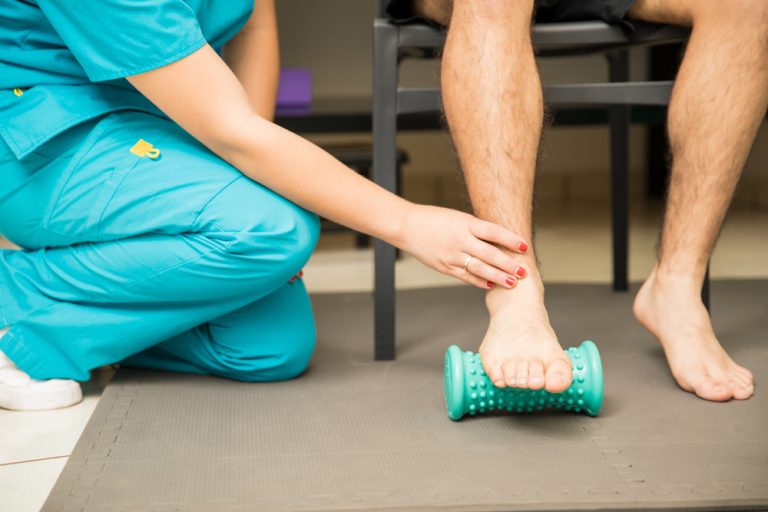
Management: Rest, applying ice, and using night splints or orthotic devices can alleviate symptoms. Physical therapy exercises aimed at stretching the plantar fascia and strengthening ankle muscles are helpful in recovery.
Running injuries are a significant risk but can be effectively managed with the right preventative measures and treatment strategies. Incorporating strength training, choosing appropriate footwear, and gradually increasing running intensity are essential steps in preventing common injuries. If pain persists despite these measures, consulting a healthcare professional for a tailored treatment plan is advisable. By understanding and addressing the early signs of injury, runners can enjoy the benefits of this vigorous activity while minimizing the risk of harm.
About the Author